Mastering Stuffed Pork Chops: Tips for Perfect Texture & Taste
There’s a special kind of magic that happens in the kitchen when familiar ingredients are transformed into something truly extraordinary. Few dishes capture this culinary alchemy as perfectly as stuffed pork chops. Far from being just another weeknight meal, a well-prepared stuffed pork chop offers a delightful surprise in every bite—a savory filling encased in tender, juicy pork—making it a perfect centerpiece for everything from cozy family dinners to elegant gatherings with friends. The secret to success lies in understanding a few key techniques that ensure both the pork and its delicious interior reach their peak potential in terms of texture and taste.
Imagine biting into a perfectly cooked chop, where the meat is succulent and flavorful, complemented by a fragrant, moist stuffing that’s anything but an afterthought. This isn't just a dream; it's an achievable reality with the right approach. Whether you're a seasoned home cook or just starting your culinary journey, mastering stuffed pork chops will elevate your cooking repertoire and fill your home with irresistible aromas. Let's dive into the essential tips and tricks to create stuffed pork chops that are tender, juicy, and bursting with flavor every single time.
Choosing and Preparing Your Pork Chops: The Foundation of Flavor
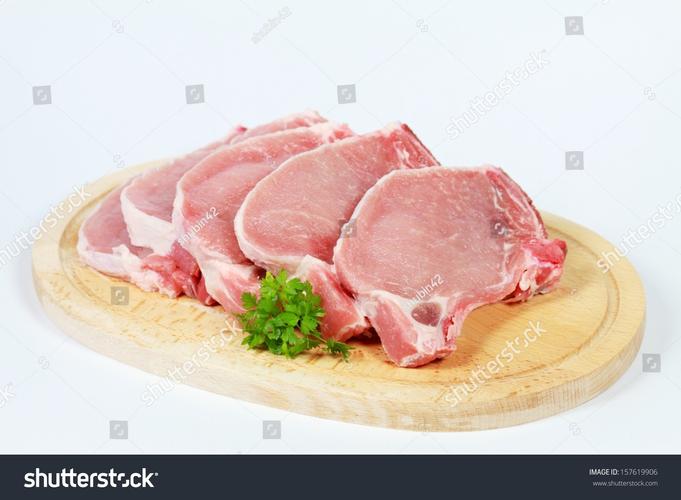
The journey to a perfect stuffed pork chop begins long before any filling is mixed. The quality and type of pork chop you select will significantly impact the final texture and juiciness of your dish. For optimal results, we highly recommend opting for bone-in pork rib chops that are approximately 1-1/4 inches thick. Here's why:
- Bone-In Advantage: The bone acts as a natural insulator, helping the chop cook more evenly and retaining moisture. This results in a more tender and flavorful piece of meat.
- Thickness Matters: A 1-1/4 inch thickness provides ample meat to create a substantial pocket for stuffing without the chop becoming too thin and drying out during cooking. Thicker chops are also less prone to overcooking, giving you a better buffer for achieving perfect doneness.
Once you have your ideal chops, the next step is preparing them for stuffing. Most recipes call for creating a pocket within the chop. This is typically done by carefully butterflying the chop partway through, starting from the side opposite the bone and cutting almost, but not quite, all the way to the other side. You want to create a deep, wide pocket without cutting through the ends, which would cause the filling to spill out. A sharp, thin knife is your best friend for this task. Pat the chops dry before butterflying to ensure a good sear if you choose to brown them beforehand, and to help any seasoning adhere better.
Crafting the Perfect Filling: A Symphony of Savory Surprises
The stuffing is where you can truly let your culinary creativity shine. While the possibilities are endless, two popular and incredibly delicious routes are a classic savory bread stuffing and a creamy, cheesy spinach blend. Regardless of your choice, the goal is a flavorful, moist, and well-balanced filling that complements the pork.
Classic Savory Bread Stuffing
Inspired by traditional autumn flavors, a bread-based stuffing brings warmth and aroma to the dish. This typically involves sautéing aromatics like diced onions and celery until tender, then combining them with fresh herbs such as rosemary, sage, and thyme. Cubed bread (stale bread works best for texture) is then folded in, often moistened with a touch of chicken or vegetable broth. For an extra layer of richness and depth, consider adding finely chopped mushrooms or a touch of apple for a hint of sweetness. The key here is balance—you want a stuffing that’s flavorful but doesn’t overpower the pork.
Creamy Spinach and Cheese Filling
For those who prefer a rich, luscious interior, a creamy spinach and cheese filling is a true delight. This combination, often featuring mozzarella, offers a wonderful textural contrast to the tender pork. When working with spinach, whether fresh or frozen, managing moisture is paramount. If using frozen spinach, thaw it completely and then squeeze out as much excess liquid as possible—an absolute must to prevent a soggy filling. For fresh spinach, a quick sauté to wilt it down, followed by thoroughly draining any liquid in the pan, will achieve the same goal.
Once your spinach is prepped, mix it with your chosen cheese. While mozzarella offers fantastic melt, don't hesitate to experiment with other hard cheeses like Parmesan, Pecorino Romano, Asiago, or even a finely grated aged cheddar for different flavor profiles. Herbs like dried oregano, fresh chives, or a hint of nutmeg can elevate the cheese and spinach, adding an extra layer of sophistication. For a baked stuffed pork chop that truly sings, consider incorporating sun-dried tomatoes for a sweet and tangy burst, or a pinch of red pepper flakes for a subtle, spicy kick, especially if you appreciate a little heat!
A Critical Word of Caution: Do NOT overstuff your pork chops. While it might be tempting to pack in as much delicious filling as possible, overstuffing can lead to the chops bursting open during cooking, resulting in a messy oven and a less appealing presentation. Aim for a comfortable, snug fit that allows the pork to seal around the filling without undue pressure.
Baking for Perfection: The Oven Advantage
When it comes to cooking stuffed pork chops, the oven is your best friend. Baking provides a gentle, even heat that ensures both the pork and the filling cook through beautifully without drying out the meat. This method reliably yields tender, juicy results and, as an added bonus, often means less mess and quicker cleanup!
Before they hit the oven, season your stuffed pork chops generously. A simple blend of salt, black pepper, garlic powder, onion powder, and paprika works wonders. For a more adventurous palate, consider adding a pinch of cayenne pepper for heat or some dried rosemary for an earthy aroma.
The Baking Process:
- Sealing the Chops: While optional, securing the opening of each stuffed chop with toothpicks or kitchen twine is highly recommended. This helps keep the filling tucked inside, ensures even cooking, and creates a more appealing presentation.
- Initial Baking: Preheat your oven to around 375°F (190°C). Place the stuffed chops in a baking dish. Depending on your recipe, some prefer to sear the chops briefly on the stovetop first to develop a beautiful golden crust, then finish them in the oven. For a purely oven-baked approach, simply place them in the dish.
- Tenting with Foil: To prevent the pork chops from browning too quickly on the outside while the interior finishes cooking, loosely tent the baking dish with aluminum foil. The key word here is loosely; you want to create a small gap for moisture to escape. If the foil is too tight, the chops will steam rather than bake, potentially leading to a less desirable texture.
- Monitor Doneness: The ultimate tool for perfectly cooked pork is an instant-read meat thermometer. Insert the thermometer into the thickest part of the pork chop, avoiding the bone and the stuffing. Pork is safely cooked when it reaches an internal temperature of 145°F (63°C). Remember that the temperature will continue to rise slightly after removal from the oven (carry-over cooking), so you can pull them out a degree or two early.
- Resting Period: Once cooked, remove the chops from the oven, remove the foil (and any toothpicks/twine), and let them rest for 5-10 minutes before serving. This crucial step allows the juices to redistribute throughout the meat, resulting in an incredibly tender and succulent chop.
Storing and Reheating Your Masterpiece
One of the joys of stuffed pork chops is that they often make fantastic leftovers. To ensure they remain delicious and maintain their texture, proper storage and reheating are key.
- Refrigeration: Store any leftover baked stuffed pork chops in an airtight container in the refrigerator for up to 3 days. This helps to lock in their flavor and moisture.
- Freezing: For longer storage, you can freeze individual chops. Wrap each chop tightly in plastic wrap, then an additional layer of aluminum foil. This double-layer protection is vital to prevent freezer burn and preserve their delicious taste and texture. They can be frozen for up to 2 months. Thaw them overnight in the refrigerator before reheating.
- Reheating for Optimal Texture: The best way to reheat stuffed pork chops is in the oven. Preheat your oven to 350°F (175°C) and bake the chops for approximately 15-20 minutes, or until they are thoroughly warmed through. Avoid microwaving, as it can cause the pork to dry out and become tough, compromising all your hard work!
Conclusion
Mastering stuffed pork chops is a rewarding culinary endeavor that brings comfort, flavor, and elegance to your dinner table. By paying attention to details like choosing thick, bone-in chops, carefully crafting and not overstuffing your filling, and utilizing the gentle heat of the oven with the aid of a meat thermometer, you can achieve perfect texture and taste every time. From a savory bread stuffing to a creamy spinach and cheese delight, the possibilities for customization are endless. So, embrace the warmth of home-cooked meals and embark on your own culinary adventure—your perfect stuffed pork chops await!
